Ohio officials are warning consumers about herbal supplements sold at gas stations, vape shops and other retailers after state testing found illegal synthetic kratom in products marketed as containing cat's claw.
Gov. Mike DeWine and Attorney General Andy Wilson announced the warning Nov. 6 through the Ohio Narcotics Intelligence Center and Ohio Bureau of Criminal Investigation. The agencies' bulletin identifies products labeled with supposedly natural ingredients that instead contain controlled substances.
Cat's claw, also known as Uncaria tomentosa, is a legal herbal product. However, Ohio authorities have identified multiple products advertised as cat's claw that tested positive for synthetic kratom compounds, according to the ONIC public safety bulletin.
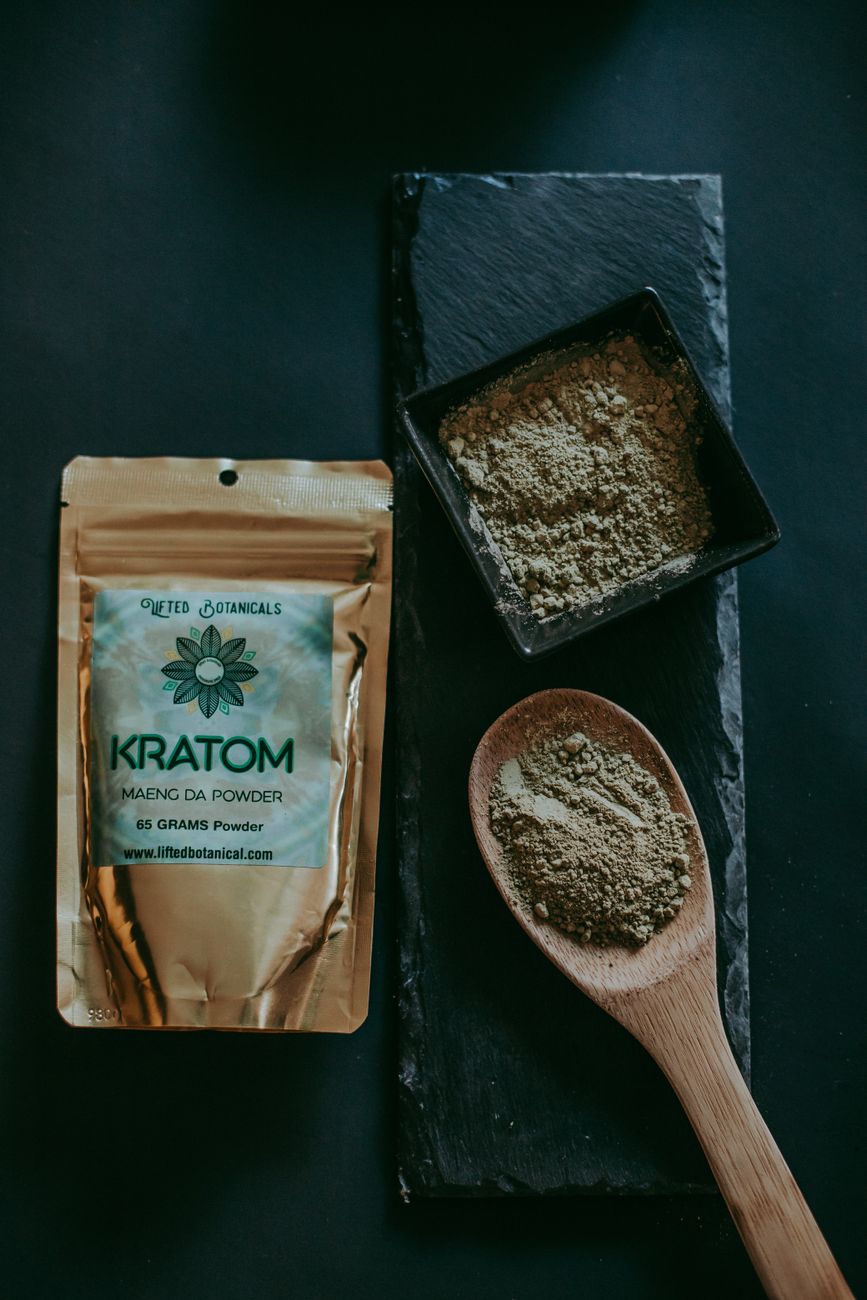
Ohio added mitragynine-related compounds to its Schedule I controlled-substance list in December 2025. Synthetic kratom compounds can produce opioid-like effects and are highly addictive. State officials warn that exposure can lead to psychosis, seizures, insomnia, hallucinations and death.
One product identified by state authorities was a package of Happy Daze Botanical Mango. The label claimed it contained 375 milligrams of cat's claw. Investigators found the package at the scene of a fatal overdose, and BCI forensic testing detected synthetic kratom in it. Toxicology testing related to the death was still pending when the governor's office issued its announcement.
The state bulletin says questionable supplements may be packaged in brightly colored containers with prominent designs and marketed as products containing natural ingredients. DeWine urged consumers to avoid purchasing herbal supplements from gas stations and vape shops, warning that the products may lack quality controls.
Wilson said retailers selling unregulated products could put customers' lives at risk and face legal liability. The governor's office also directs people with questionable products to contact ONIC at 1-833-644-6642 or submit information through the agency's website.
Separately, Cuyahoga County Medical Examiner Dr. Thomas Gilson reported an increase in suspected overdose deaths during October and November. The county recorded 40 suspected drug overdose deaths over a five-week period, according to a Nov. 6 public health alert.
A majority of preliminary drug screenings were positive for cocaine, and about half also detected fentanyl. Gilson said cocaine was driving the county's drug overdose deaths as fentanyl-related deaths had declined.
The county recommends that people who use drugs or are in recovery develop a harm-reduction plan. Its guidance includes having naloxone and fentanyl test strips available, avoiding drug use alone and calling 911 when an overdose is suspected.
Strongsville residents seeking help with addiction can also contact the Strongsville Police Department through its Safe Passages program. Residents can visit the police station during regular business hours and ask for assistance. The department can arrange admission to a treatment facility, help with insurance paperwork and provide transportation when needed.
The department says people who come forward through the program will not be arrested or charged with a crime for seeking help. It also offers assistance arranging disposal of drugs or drug paraphernalia.
The department's Quick Response Team visits people who survive an overdose. The team includes a police officer, paramedic and counselor who can provide referrals and ongoing support. Overdose survivors or their family members can request an appointment by calling 440-580-3230.
The Alcohol, Drug Addiction and Mental Health Services Board of Cuyahoga County also operates a 24-hour crisis hotline at 216-623-6888.