Federal election monitors fanned out across Cuyahoga County on Tuesday, Nov. 3, as part of the largest monitoring operation in U.S. Department of Justice (DOJ) history.
The DOJ deployed approximately 1,000 monitors and observers to all 50 states for the first time, according to a department press release. In Ohio, monitors were assigned to three counties: Cuyahoga, Franklin and Medina.
"I am very proud we are deploying the largest monitoring effort in DOJ history, and pursuing transparency for elections in an assertive and nondiscriminatory manner," Assistant Attorney General Harmeet K. Dhillon of the Civil Rights Division said in the statement.
The effort is coordinated by the DOJ's Civil Rights Division. Monitors include personnel from multiple DOJ divisions, U.S. Attorney's Offices and federal observers from the Office of Personnel Management, the department said.
Cuyahoga County: a familiar presence
For Cuyahoga County, federal monitors are nothing new. Anthony Perlatti, director of the Cuyahoga County Board of Elections, told Fox 8 the county has had Justice Department civil rights monitors for more than a decade. The county is on a federal list requiring election services in both English and Spanish or through bilingual assistance.
Perlatti said observers have previously focused on bilingual signs and proper identification of poll workers who provide language assistance. "It's not a shock," Perlatti said. "It'd actually be a shock if they didn't come to us."
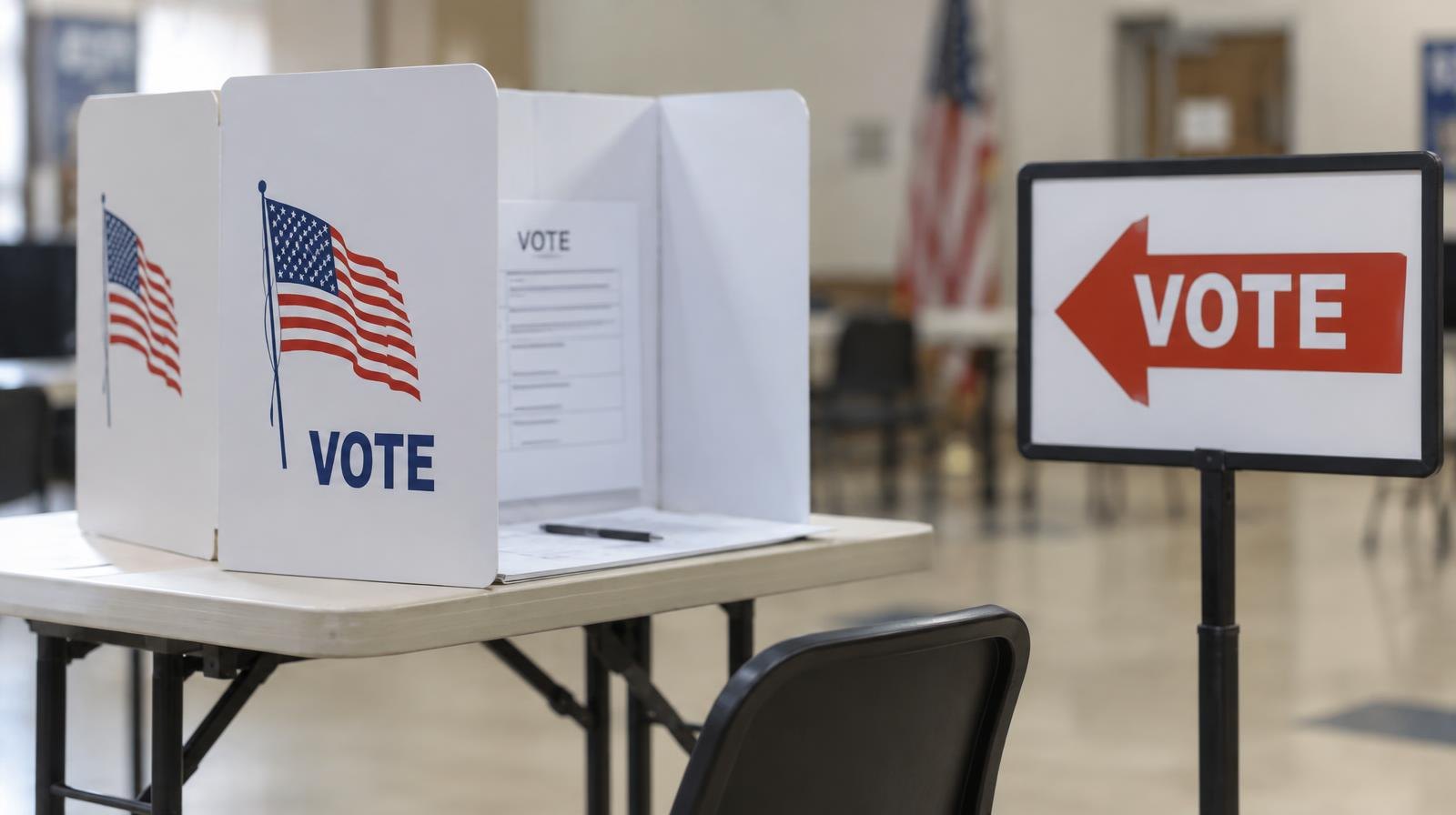
In Cuyahoga County, the board of elections has allowed DOJ monitors inside polling locations in past years, according to Ideastream. The arrangement differs by county. In Franklin County, monitors are not allowed inside polling locations but can stand 100 feet from the entrance and speak to voters who have left the polls.
What monitors can and can't do
Ohio Secretary of State Frank LaRose said federal election observers have been deployed under both Republican and Democratic administrations. He said observers can watch the election process but cannot interfere with voters or election officials.
"They may not impede voters, they may not, you know, interfere in the process whatsoever," LaRose said, as reported by Fox 8. "It's right there in the name. They are observers. They may observe, that's about it."
Election law expert Bill Rich said Ohio law limits who can be present in a voting location. "Ohio severely limits who can be present in a voting location. And that limitation doesn't allow for DOJ monitors and these monitors don't have any statutory authority to preempt state law," Rich told Ideastream.
County board of election directors can choose to allow a DOJ monitor inside a polling location, Rich said.
Concerns from voting rights groups
Some voting rights groups, including the NAACP, said they believe the deployment could suppress turnout and disenfranchise voters, particularly from minority groups, USA Today reported.
Ohio State University professor Steven Huefner told NBC4 there is "a concern this election that the role of the monitors being dispatched by the Department of Justice is different this time and that it is instead to sow the seeds of potential challenges to the outcomes of the election."
Huefner said the monitors' presence is not a major cause for concern, noting observers are not allowed to interact with voters and are not allowed to carry weapons.
Voters with questions or complaints about federal voting rights laws can call the DOJ's election issues hotline at 1-800-253-3931.